Introduction
If you’re sourcing industrial coated fabrics for trailers, truck curtains, mining storage, or outdoor covers, you’ve probably faced a critical decision: PVC or TPO?
For decades, PVC (Polyvinyl Chloride) tarpaulin has been the undisputed standard in heavy-duty industrial applications. But in recent years, TPO (Thermoplastic Polyolefin) has emerged as a sustainable alternative—and it’s gaining traction fast.
In this comprehensive guide, we’ll break down the key differences between PVC and TPO coated fabrics, compare their performance across critical metrics, and help you choose the right material for your specific application.
What Is PVC Coated Fabric?
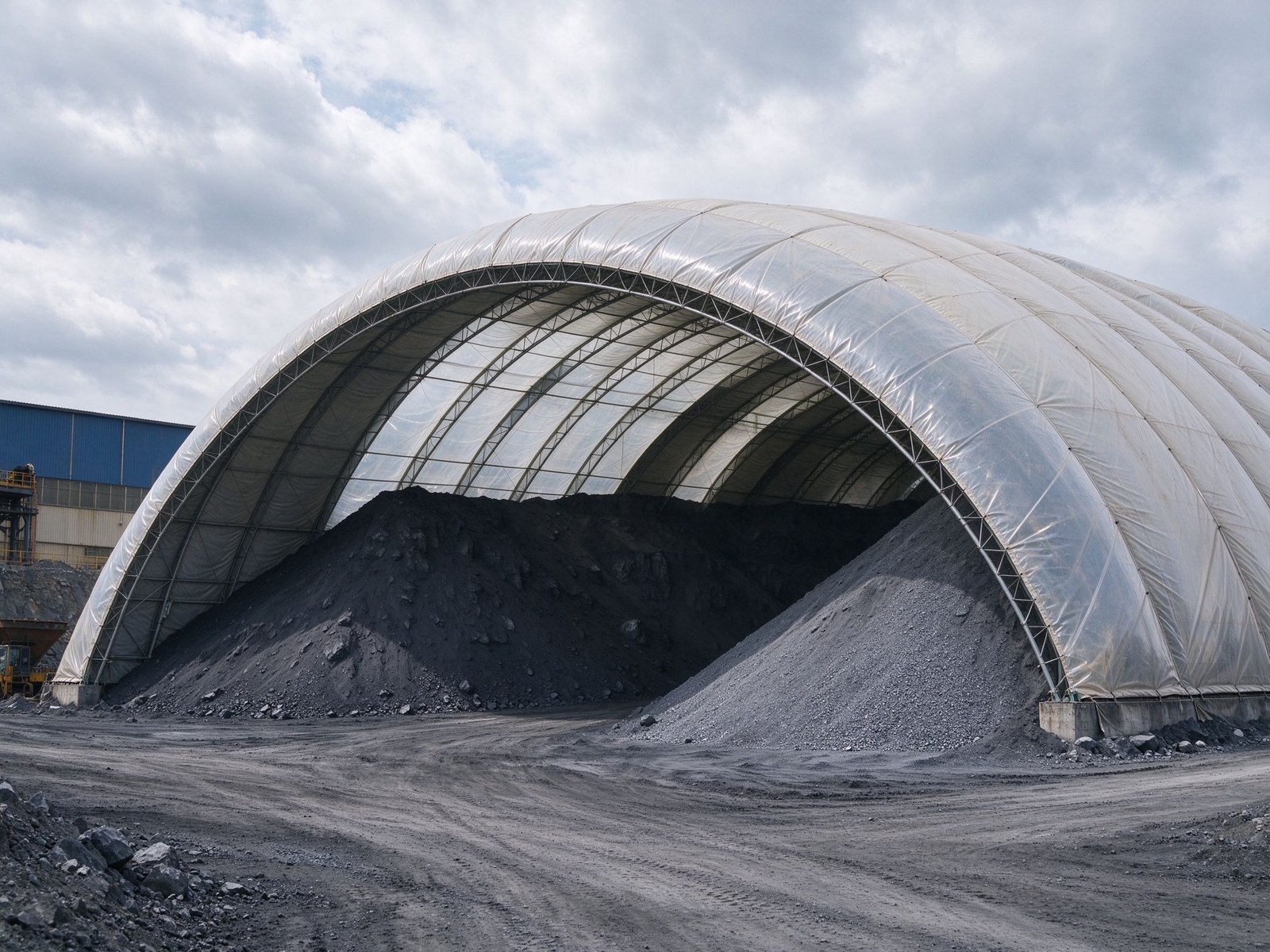
PVC coated fabric is the traditional workhorse of the tarpaulin industry. It’s made by coating high-tenacity polyester scrim with PVC plastic, creating a durable, waterproof, and tear-resistant material.
Key characteristics of PVC coated fabric:
- Base fabric: 1000D high-tenacity polyester
- Coating weight: typically 550–900 gsm
- Excellent tensile and tear strength
- Highly weldable with high-frequency welding
- Surface options: PVDF lacquered, acrylic, or anti-mildew treated
- Flame retardant options available (B1, M2, NFPA 701)
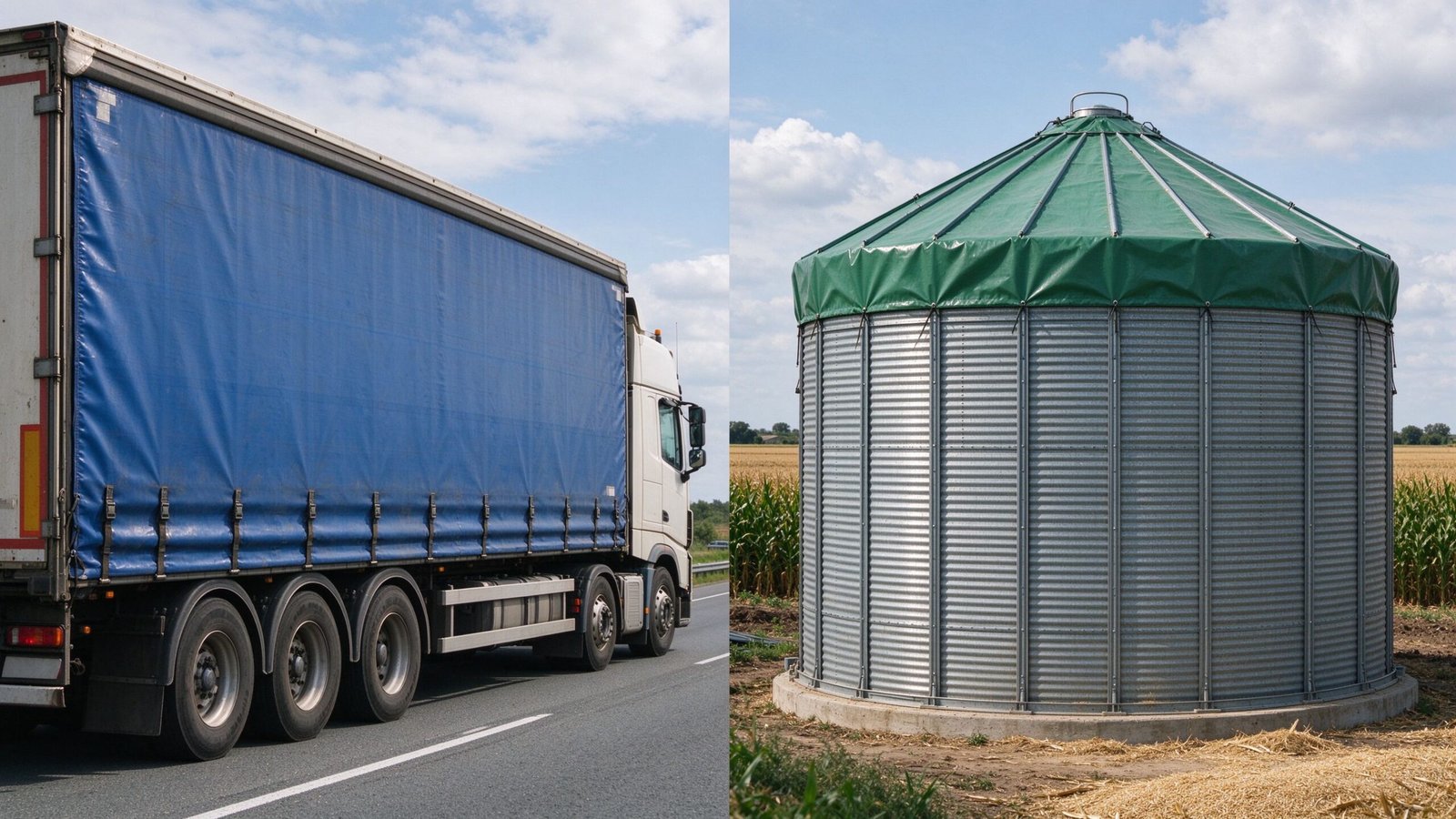
Common applications: trailer tarpaulins, truck side curtains, mining storage domes, pool covers, speed doors, and architectural tensile structures.
What Is TPO Coated Fabric?
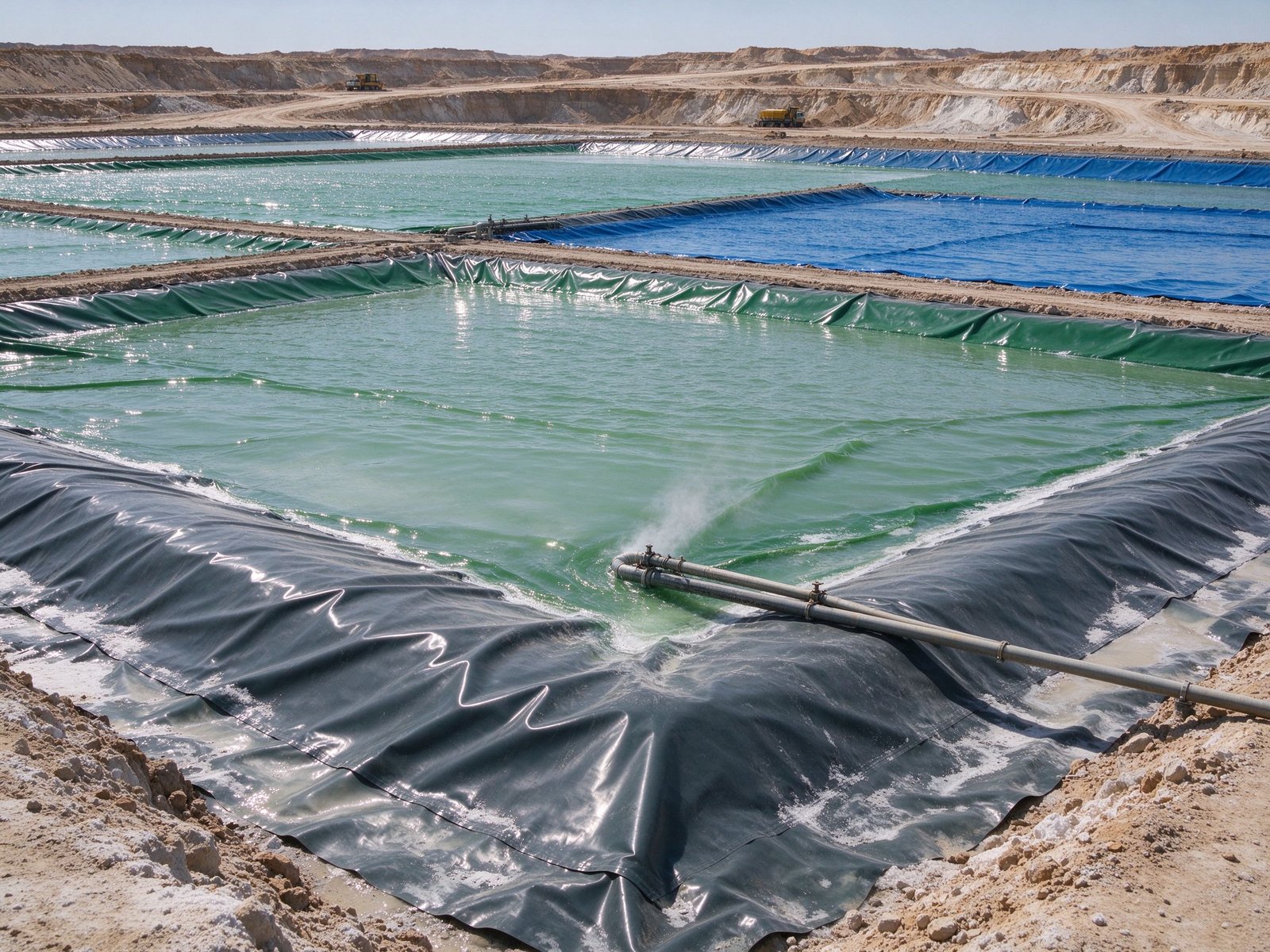
TPO (Thermoplastic Polyolefin) is a relatively new entrant in the coated fabric market. Unlike PVC, TPO is chlorine-free—it’s made from polyolefin resins, making it a more environmentally friendly option.
Key characteristics of TPO coated fabric:
- Base fabric: typically polypropylene (PP) scrim
- Coating weight: 260–610 gsm
- Chlorine-free and 100% recyclable
- Lower density than PVC (lighter weight at same thickness)
- Food-grade safe options available
- Excellent UV resistance without additional stabilizers
Common applications: wind turbine covers, evaporation pond liners, agricultural bunker covers, outdoor furniture covers, and food-grade packaging.
Head-to-Head Comparison: PVC vs TPO
Let’s compare the two materials across the metrics that matter most for industrial buyers:
1. Durability & Strength
| Metric | PVC Coated Fabric | Tejido recubierto de TPO |
|---|---|---|
| Resistencia a la tracción | 2300–3500 N/5cm | 1800–2800 N/5cm |
| Resistencia al desgarro | 300–450 N | 250–380 N |
| Lifespan (outdoor) | 5–10+ years | 8–12+ years |
| Puncture Resistance | Excelente | Bien |
Verdict: PVC wins on raw strength, especially for heavy-duty applications. TPO has better long-term weathering resistance but lower initial tensile strength.
2. Weight & Coverage Efficiency
TPO has a lower density than PVC—about 10–15% lighter at the same thickness. This means:
- Lower shipping costs
- Easier handling and installation
- Reduced structural load on frames and canopies
For applications where weight matters (like retractable pergola systems or temporary structures), TPO’s lightweight advantage is significant.
3. Environmental Impact
This is where TPO really shines:
- PVC: Contains chlorine and plasticizers; produces toxic fumes when burned; not easily recyclable
- TPO: Chlorine-free; 100% recyclable; food-contact safe; lower carbon footprint
As global regulations tighten (especially in the EU and North America), TPO is becoming the preferred choice for eco-conscious buyers and projects with green building certifications.
4. Cost
| Factor | CLORURO DE POLIVINILO | TPO |
|---|---|---|
| Material cost | Lower | 20–30% higher |
| Processing cost | Lower (welding is mature) | Slightly higher |
| Total cost of ownership | Bien | Better (longer lifespan) |
While TPO has a higher upfront cost, its longer lifespan and lower maintenance requirements often make it more cost-effective over the product’s lifecycle.
5. Chemical & Weather Resistance
Both materials perform well outdoors, but with different strengths:
- PVC: Excellent chemical resistance; prone to UV degradation over time (requires stabilizers)
- TPO: Inherent UV resistance (no additives needed); excellent resistance to acids, alkalis, and saltwater
For coastal environments or chemical exposure, TPO’s inherent UV and chemical resistance is a major advantage.
Which Material Should You Choose?
Choose PVC If:
- You need maximum tensile and tear strength
- Your application involves heavy abrasion or puncture risk
- Budget is the primary concern
- You need high-frequency welding for custom fabrication
- Flame retardancy (B1/M2) is required for compliance
Best for: Trailer tarpaulins, truck side curtains, mining storage domes, heavy equipment covers, speed doors.
Choose TPO If:
- Sustainability and recyclability are priorities
- You need food-grade or medical-grade safe materials
- Weight reduction is important
- The project targets eco-conscious customers or green certifications
- Long-term outdoor weathering performance matters
Best for: Wind turbine covers, evaporation pond liners, agricultural bunker covers, outdoor furniture fabrics, food and medical packaging.
The Hybrid Approach: Many Buyers Use Both
In practice, many industrial buyers don’t choose one or the other—they use both materials for different applications:
- CLORURO DE POLIVINILO for high-abrasion, heavy-duty transport applications (truck curtains, trailer tarps)
- TPO for environmentally sensitive or food-contact applications (grain storage, evaporation ponds)
This hybrid strategy gives you the best of both worlds: proven PVC performance where you need strength, and sustainable TPO where you need eco-friendliness.
Preguntas frecuentes
Is TPO more expensive than PVC?
Yes, TPO typically costs 20–30% more per square meter than PVC. However, its longer lifespan and lower maintenance often result in a lower total cost of ownership.
Can TPO be welded the same way as PVC?
TPO can be heat-welded, but the welding parameters are different. High-frequency welding works for both materials, but TPO requires lower temperatures and shorter dwell times.
Is TPO food-safe?
Yes, food-grade TPO formulations are available and meet FDA and EU food-contact standards. This makes TPO ideal for grain storage, food processing covers, and agricultural applications.
Which material lasts longer outdoors?
TPO generally has a longer outdoor lifespan (8–12+ years) because it has inherent UV resistance, while PVC relies on surface treatments and stabilizers that degrade over time.
Conclusion: The Future Is Hybrid
The PVC vs TPO debate isn’t about which one is “better”—it’s about choosing the right material for your specific application.
PVC remains the workhorse for heavy-duty, high-strength applications where cost and durability matter most. TPO is the forward-looking choice for sustainable, food-safe, and long-lifespan applications.
At Lonsun Tex, we manufacture both PVC coated fabrics and TPO coated tarpaulins, so we can help you select the right material for your project. Whether you need 680gsm PVC trailer tarpaulin or 430gsm food-grade TPO bunker covers, our engineering team can recommend the optimal solution.
Need a custom quote? Contact our team for technical specifications and pricing.