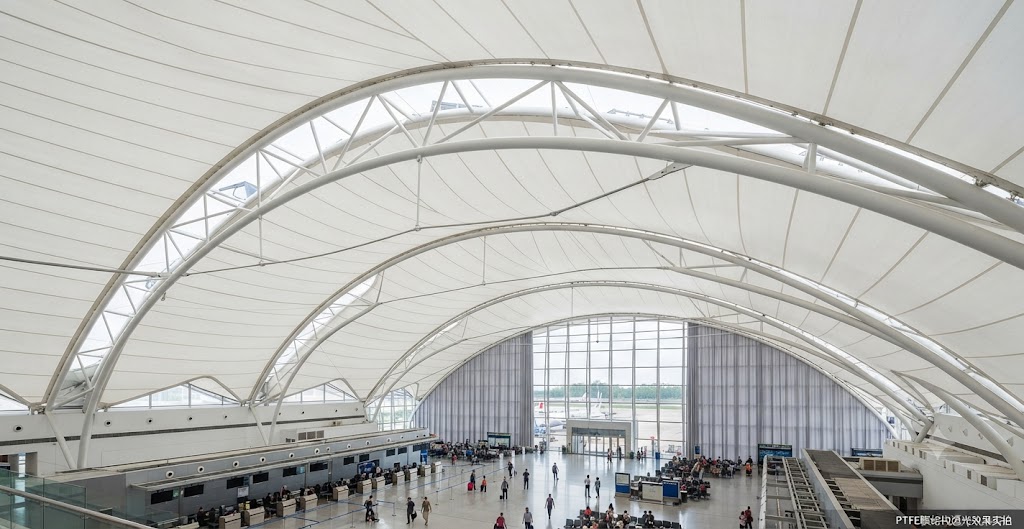
PVDF Membrane Architecture is quickly becoming the gold standard for architects and engineers focused on carbon neutrality. As the global construction industry pivots toward greener practices, the integration of high-performance materials like those found in advanced PVDF membrane architecture has become a necessity. By offering a blend of energy efficiency, structural durability, and sustainable design, these lightweight, resilient materials are effectively setting a new standard for modern eco-friendly architecture.
1. Illuminating Efficiency: The Power of Natural Light
One of the primary benefits of advanced tensile membranes is their engineered light transmission. By allowing diffused natural light to penetrate interior spaces, these structures significantly reduce the need for artificial lighting during daylight hours.
- Energy Impact: Lowering electricity consumption is a fundamental step in reducing a building’s operational carbon footprint.
- Human-Centric Design: Beyond energy savings, natural illumination enhances the aesthetic and experiential quality of indoor environments, making them ideal for modern infrastructure projects like airports and rail hubs.
“Technically, our PVDF membrane architecture is engineered for a visible light transmission range of 10% to 20%, depending on the specific architectural requirement. By controlling the light transmission spectrum, we effectively minimize the heat-inducing infrared component while maximizing the visible light, which is crucial for reducing daytime lighting energy consumption in massive transport hubs.”
2. Thermal Optimization: Mastering the Climate
Energy efficiency isn‘t just about light—it’s about thermal regulation. High-performance PVDF membrane architecture is designed with specific solar reflectance and thermal emissivity properties to combat rising urban temperatures.
- HVAC Load Reduction: By reflecting a significant portion of solar radiation, these membranes effectively keep indoor environments cooler, reducing the burden on HVAC systems and cutting operational energy costs by as much as 15–30%.
- Climate Resilience: Whether in the heat of a desert or the chill of high-altitude transport hubs, these materials maintain structural integrity and thermal stability, ensuring durability in extreme conditions.
“Data from recent large-span projects show that utilizing high-reflectivity membranes leads to a significant decrease in cooling energy requirements. Specifically, a solar reflectance value of over 75% ensures that the membrane surface remains cool even under intense direct sunlight, a major advantage compared to traditional steel or concrete roof structures.”
3. Low-Carbon Construction: A Life-Cycle Approach
Sustainability is measured across the entire lifecycle of a building. Tensile architecture contributes to this through:
- Material Efficiency: The lightweight nature of membranes means less steel is required for structural support compared to traditional roofing, significantly lowering embodied carbon.
- Rapid Installation: Modular, prefabricated construction techniques minimize on-site waste, energy expenditure, and environmental disruption.
- Longevity & Maintenance: With superior self-cleaning properties and high UV resistance, PVDF coatings ensure long-lasting performance, reducing the need for resource-intensive maintenance and frequent replacements.
“Furthermore, the 900gsm high-tenacity polyester core provides a tensile strength of up to 4000N, ensuring structural integrity in extreme weather conditions (from -30°C to +70°C). This durability is key to minimizing long-term maintenance costs and reducing the overall environmental footprint.”
Technical Performance Specifications:
- Tensile Strength: Our 900gsm high-tenacity polyester core maintains up to 4000N of force.
- Solar Reflectance: High-reflectivity coatings achieve a solar reflectance value of >75%.
- Light Transmission: Engineered for a 10%–20% visible light transmission range.
Key Takeaways for Project Stakeholders:
- Integrate Early: Designing for PVDF membrane architecture from the initial phase maximizes energy-saving potential.
- Select for Performance: Ensure your material specifications align with your local climatic requirements.
- Green Certification: High-performance tensile structures are a valuable asset for projects targeting LEED or BREEAM sustainability certifications.
Frequently Asked Questions (FAQ):
- Q: How do membrane structures perform in extreme weather?
- A: They are engineered for extreme resilience, tested to withstand significant temperature fluctuations (from -30°C to +70°C) and harsh UV exposure, as seen in projects like the Desert Star Hotel.
- Q: Are these materials sustainable?
- A: Yes. To learn more about our commitment to green building, visit our home page. By reducing energy consumption and structural weight, they contribute to a lower total carbon footprint throughout the building’s lifespan.